When a Teammate Has to Go: The Honest Guide to Cutting Someone From Your Competitive Crew
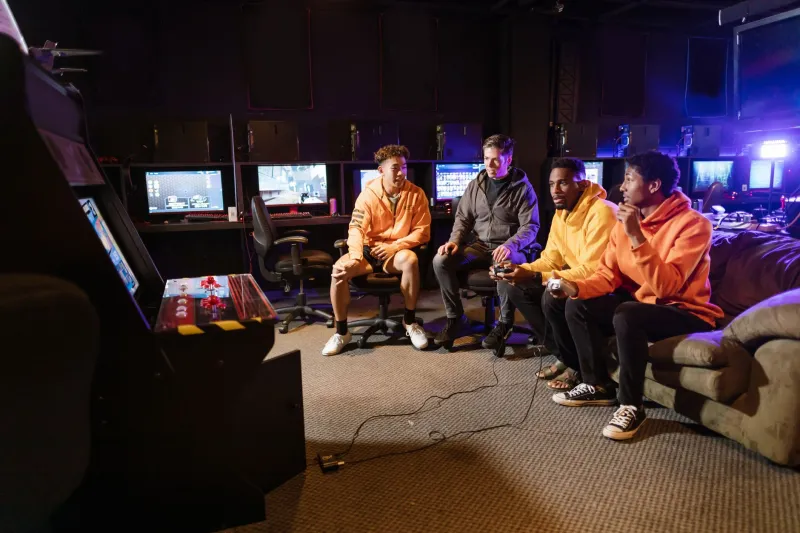
Nobody talks about this part. You'll find a thousand guides on positioning, mechanics, and mental fortitude, but the awkward truth is that some of the hardest decisions in competitive gaming have nothing to do with what's happening on screen. They happen in Discord DMs, over text, or in that painful silence after a rough session when everyone knows something needs to change but nobody wants to say it first.
Roster decisions are real—even when your squad is just five friends grinding ranked together every weekend. The stakes feel personal because they are personal. But if you're serious about competing, whether that's climbing the ladder, entering tournaments on GA88 Arena, or just not wanting to dread logging on anymore, you have to get comfortable with uncomfortable conversations.
Here's how to handle it like an adult without blowing up your friend group in the process.
First, Make Sure You're Actually Reading the Situation Right
Before you do anything, slow down. There's a difference between a teammate going through a rough patch and a teammate who has genuinely checked out or is actively dragging the team down. Confusing the two leads to bad decisions you'll regret.
Ask yourself a few honest questions. Has their performance dropped recently, or has it always been like this? Are they disengaged in comms, or are they just quieter by nature? Have you actually talked to them about what you're seeing, or are you operating on assumptions?
A slump isn't a reason to cut someone. Life gets in the way—work stress, personal stuff, burnout. If your teammate has been solid for months and suddenly seems off, that's a conversation, not a roster move. What you're looking for is a consistent pattern: repeated no-shows, refusing to adapt, creating toxicity in the group chat, or simply plateauing so hard that they're becoming a structural liability in matches that matter.
Document it, even loosely. If you're noticing specific moments—missed callouts, constant tilt that infects the whole lobby vibe, ducking scrimmages—write them down. Feelings are hard to argue with. Patterns are harder to dismiss.
The Conversation Nobody Wants to Have
Once you've confirmed this isn't just a bad week and you've genuinely tried to course-correct through normal feedback, it's time to talk. And yes, you have to actually talk. Ghosting someone out of your competitive lineup is cowardly and it will damage the broader friend group way more than a direct conversation ever would.
Choose the right setting. This is a one-on-one conversation, not a group tribunal. Pull them aside in a private call—not over text, where tone gets lost and screenshots get shared. Give it the respect it deserves.
Here's a rough script you can adapt:
"Hey, I want to be straight with you because I respect you. The squad is moving in a direction that's pretty locked in competitively, and I don't think it's been working for either of us having you in this lineup. I don't want this to mess with our friendship, but I also don't want to keep putting you in a situation that isn't fun for you either."
A few things that framework does: it's honest without being brutal, it frames the decision around fit rather than failure, and it gives them a dignified exit by acknowledging the situation might not be fun for them either—which is often true.
What you want to avoid: vague non-answers ("we're going in a different direction" with zero context), piling on with a list of every mistake they've ever made, or doing it in front of the rest of the squad. That's how you lose a friend and create drama that echoes for months.
Protecting the Friendship After the Fact
This is the part people underestimate. The conversation itself is hard, but the aftermath is where friendships either survive or quietly dissolve.
Give it some breathing room. The person you just cut probably needs a few days to process. Don't immediately flood them with "we're still cool right?" messages—that's more about your comfort than theirs. Let them come to you when they're ready.
Keep them in the loop on non-competitive stuff. If your squad has a group chat for memes, game recommendations, or just general hanging out, make sure they're still in it unless they choose to leave. The message you want to send is that the roster decision was about the competitive team, not about them as a person.
And if you genuinely value the friendship, invest in it outside of gaming. Grab food, catch a game, do literally anything that isn't directly tied to the context where they just got cut. It sounds simple, but it's the move that actually preserves relationships long-term.
Rebuilding Without Losing Momentum
Once the dust settles, your squad has work to do. A roster change—even a necessary one—disrupts chemistry. You might find that the energy improves immediately, or you might discover that the person you cut was actually the glue holding certain dynamics together. Both are possible.
Be intentional about how you bring someone new in, if that's the direction you go. Don't just grab the first warm body who's available. Think about what the squad actually needs: a shot-caller, a support player, someone with a cooler head under pressure. Hosting a few trial sessions before committing is totally normal and worth the awkwardness of framing it as a tryout.
And be honest with your remaining teammates about what happened. You don't need to throw the cut player under the bus, but your squad deserves to understand the reasoning. Keeping it vague breeds speculation, and speculation is how group chats turn toxic.
The Bigger Picture
Here's the thing about gaming crews that nobody really says out loud: they're basically small organizations. You've got roles, goals, communication dynamics, and yes—personnel decisions. The skills it takes to navigate a roster change gracefully are the same skills that make someone genuinely good to compete with and be around.
Competitive gaming is supposed to be fun. Not every squad needs to be a well-oiled esports machine, but every squad deserves to be made up of people who actually want to be there and are putting in the effort. When someone stops being that, you're not doing them any favors by keeping them around out of guilt.
Make the call. Have the conversation. Keep the friendship if you can. And then get back to competing—because that's what you're here for.