Ranked Taunts, Tiered: A Field Guide to Trash Talk That Lands (and the Kind That Gets You Muted)
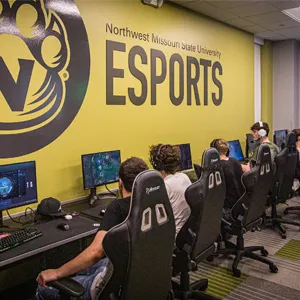
Photo: esports players facing off competitive gaming tournament stage, via www.nwmissouri.edu
Trash talk is as old as competition itself. Muhammad Ali turned it into an art form. NBA courts have run on it for seventy years. And gaming — a sport played entirely through a microphone and a chat box — inherited the whole tradition, for better and for much, much worse.
Here's the thing most lobbies get wrong: trash talk isn't the same as toxicity. Done right, it's seasoning. It builds rivalries, keeps lobbies loose, and turns a random match into a story you'll retell for a month. Done wrong, it's just harassment with a headset on.
So let's do this properly. A tier list of taunts, followed by the rules of engagement every competitor should know.
The Trash Talk Tier List
S-Tier — The Classics That Build Rivalries
- "That was a good try." Delivered after a close loss, with a hint of a smile in your voice. Respectful, needling, unforgettable.
- "You've been practicing, huh?" The ultimate compliment disguised as an accusation. Says: you're good, and I noticed.
- The rematch demand. "Run it back. Right now." No insult required. Pure competition.
- "I'm telling my friends about you." Absurd, funny, weirdly flattering. Peak banter.
A-Tier — The Safe Needles
- "Lag was definitely the problem." Said with a wink, after their excuse, not yours.
- "My grandma mains that character." Timeless. Universally understood. Somehow never gets old.
- "That's going in the highlight reel... of my gameplay." Self-aware flexing is a skill.
B-Tier — Dated but Harmless
- "EZ" after a genuinely close match. Everyone's entitled to one per season.
- "Ratio'd" or whatever the current chat-speak flex is. It ages in real time.
F-Tier — Instant Mute, No Appeals
- Anything about someone's family, identity, or body.
- Anything aimed at a teammate who's already tilted. Punching down isn't talk — it's just punching.
- The n-word-adjacent slurry that still somehow pollutes voice chat in 2025. Zero tier. Lifetime ban energy.
- Spam. If your "banter" is just volume, you don't have banter. You have a broken mute button.
The Rules of Engagement
The tier list is the what. Here's the how — five rules that separate competitors from lobby terrorists.
1. Talk to equals, not targets. Great trash talk assumes the other player can fire back. The moment you're piling on someone who can't respond — a quiet teammate, a clearly new player — it's not competition anymore.
2. Roast the gameplay, not the person. "That rotation was criminal" is banter. "You're a loser" is just an insult. One is about the match. The other is about them. Stay on the right side of that line.
3. Read the room, then read it again. If the other player is laughing back, you're in a game. If they've gone quiet, you're done. Silence is a white flag — take the win and shut up.
4. You must be able to take it. The first rule of the playground, unchanged since forever: if you can't eat a comeback, don't serve the dish. One-way trash talk is just bullying with extra steps.
5. Match over. Talk over. The best trash talkers in esports shake hands — or at least type "gg" — the second it ends. Grudges are for people who lost and can't admit it.
Why This Actually Matters for Esports
Competitive gaming has a retention problem, and it's not the ranked system — it's the lobby culture. Surveys consistently show that toxic chat is one of the top reasons players, especially younger and newer ones, quit games entirely. Every F-tier taunt costs the scene a potential teammate, a potential viewer, maybe a future pro.
Meanwhile, the S-tier stuff is marketing gold. The best player rivalries — the ones that fill arenas and drive watch parties — are built on great banter between players who genuinely respect each other. Think of the classic fighting game communities, where pre-match hype talk is half the show and nobody confuses it with hate.
The line, in the end, is simple: trash talk should make the game bigger, not smaller. If it makes the rivalry better, the lobby funnier, and the rematch inevitable — you're doing it right.
Now queue up. And if you beat somebody tonight, tell them you're telling your friends about them.