Your First Local Is Cheaper Than a Night Out: A No-Excuses Guide to US Grassroots Tournaments

Everybody wants to go pro. Almost nobody wants to drive 40 minutes to a game store on a Saturday and get bodied in front of 30 strangers.
And that's exactly why the local tournament scene is the most underrated resource in American competitive gaming. While everyone's grinding ranked from their bedroom, the players who actually improve fastest are the ones showing up to weeklies — getting wrecked, making friends, and leveling up at a rate no matchmaking algorithm can replicate.
Here's how to get in on it.
Where the Locals Are Hiding
The US grassroots circuit is bigger and weirder than you think:
- Smash weeklies. The backbone of the scene. Game stores, university unions, and church basements from Austin to Ann Arbor run them weekly. Check Start.gg for events near you — it's the de facto tournament database for the whole country.
- FGC nights. Street Fighter, Tekken, Guilty Gear — these run everywhere from dedicated esports bars to the back room of a comic shop. Some of the most legendary scenes in the country happen in strip-mall arcades and chain-restaurant game nights.
- College LANs. Even if you're not a student, many campus esports clubs host open events. Big Ten schools alone run some seriously organized circuits.
- Community-run RTS, fighting, and platform fighter events. Discord servers are the real directory. Find your game's regional Discord and the schedule is usually pinned at the top.
Search terms that work: your city + your game + "weekly" or "biweekly," plus a scroll through Start.gg's event map.
What It Actually Costs
Let's kill the biggest myth first: this is not an expensive hobby to try.
- Venue fee: $5–15, sometimes waived if you bring a setup (monitor, console, or fightstick).
- Entry fee: Often $5–10 per game.
- Travel: Gas money if it's a drive. Many locals are on bus or train lines.
Realistic total for your first event: $15–30. That's one nice dinner out. Compare that to the hundreds people drop on peripherals hoping hardware will fix their fundamentals.
What to Expect When You Walk In
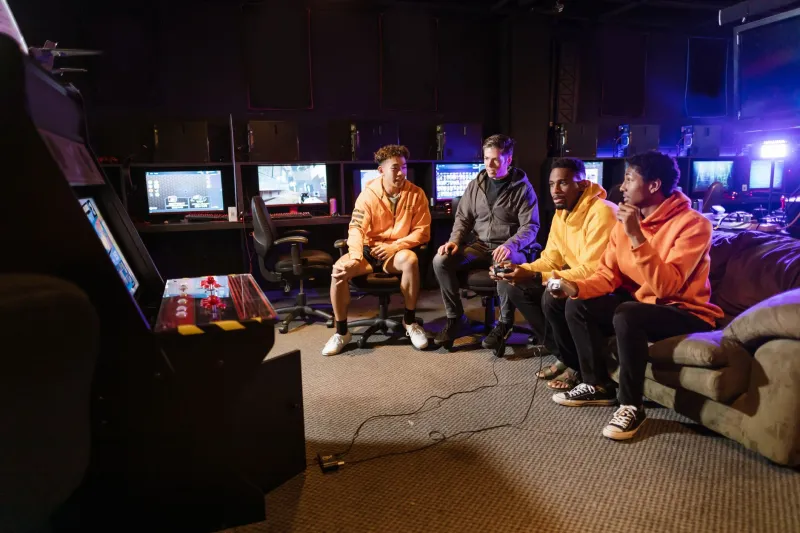
Show up, check in with the TO (tournament organizer), pay your fees, and warm up in friendlies. Nobody cares how good you are. Seriously — every person in that room got stomped at their first local, including the ones now winning it.
A few unwritten rules: bring your own controller, don't hog setups between sets, and when you lose, stick around. Watch bracket. Ask questions. The community is the product.
Why It Beats Ranked
Offline play fixes things online play can't:
- Zero-lag reactions. You learn what your game actually feels like at 0 ping.
- Real-time coaching. Someone will literally watch your set and tell you what you did wrong. Free, instant, personalized.
- Accountability. It's way harder to rage-quit a bracket in front of people who know your name.
- Network effects. Your next squadmate, sparring partner, or even roommate comes from these rooms. Ask anyone in a college esports program how they got there.
Do It This Month
Pick a date. Find one event within 90 minutes of you. Register online — most locals use Start.gg and cap entries, so don't wait until day-of. Show up with a charged controller, cash for fees, and zero expectations of winning.
Your goal isn't to place. It's to become someone who shows up. Do that three months in a row and you won't recognize your own gameplay — or your friend list.
Game on.