Nobody Hangs Out at the Mall Anymore — They Log On Instead
Photo: cogdogblog, CC BY 2.0, via Wikimedia Commons
There's a concept sociologists love called the "third place" — the spot that isn't home and isn't work, where community actually happens. Ray Oldenburg coined the term in the '80s, pointing to barbershops, taverns, bowling leagues, and diner counters as the connective tissue of American life.
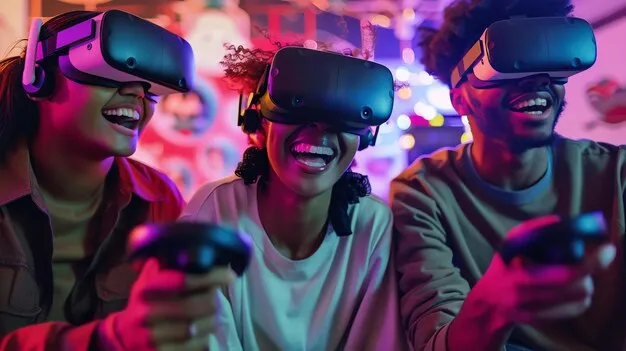
Now look around. Malls are half-vacant. Bowling leagues lost their leagues. The rec center closes at nine. And meanwhile, at any given hour, tens of millions of Americans are sitting in a game lobby or a Discord voice channel, talking about their day while waiting for the next match to load.
I'll say it plainly: gaming didn't just become entertainment. It became the third place. And most people haven't fully noticed.
What a Lobby Does That a Food Court Doesn't
A good third place has a few non-negotiable features. It's low-cost or free. You can show up without a plan and without dressing up. There's a regular crowd — people who know your name, or at least your username. And there's a shared activity that gives strangers a reason to talk.
Sound familiar? A game lobby checks every box. Nobody asks what you do for a living. Nobody cares what you're wearing. The shared activity — the match, the raid, the ranked grind — does the social heavy lifting so conversation can happen naturally. That's exactly what a pickup basketball game at the rec center provided in 1985.
The difference is that the lobby is open at 2 AM, it doesn't care if you live in rural Nebraska or downtown Chicago, and your friends are already there.
What Gaming Gets Right About Belonging
Here's the part I think deserves more credit: gaming platforms accidentally solved problems that real-world social spaces have struggled with for decades.
Low barrier, high consistency. You don't need to commit to a weekly league. You just show up, and the same faces tend to be there. That's the bar regular's crowd, rebuilt digitally.
Shared context beats small talk. The game gives everyone a common language. The awkward "so, weather, huh?" phase of friendship doesn't exist when you've just clutched a 1v3 together.
Status based on the game, not the résumé. In a lobby, what matters is how you play and how you treat people. For a lot of people — especially younger players and folks who never found their footing in traditional social scenes — that's a genuinely more level playing field than any bar or country club.
What We Lose When the Lobby Is the Only Place
I'm not here to pretend it's all upside. Real third places forced a certain friction that lobbies let us escape. You had to share space with people you didn't choose. You had to read a room. You had to leave the house.
Digital third places are opt-in at every level — which means they can become echo chambers, and they can vanish. When a game shuts down or a server migrates, a community that took years to build can evaporate overnight. Nobody's mall ever got deleted.
There's also the loneliness paradox: thousands of hours of "social" time that still leave some people feeling isolated, because presence in a voice channel isn't always the same as being known.
What Real Spaces Could Learn From Lobbies
Here's my favorite part of this whole argument. The lessons run both ways.
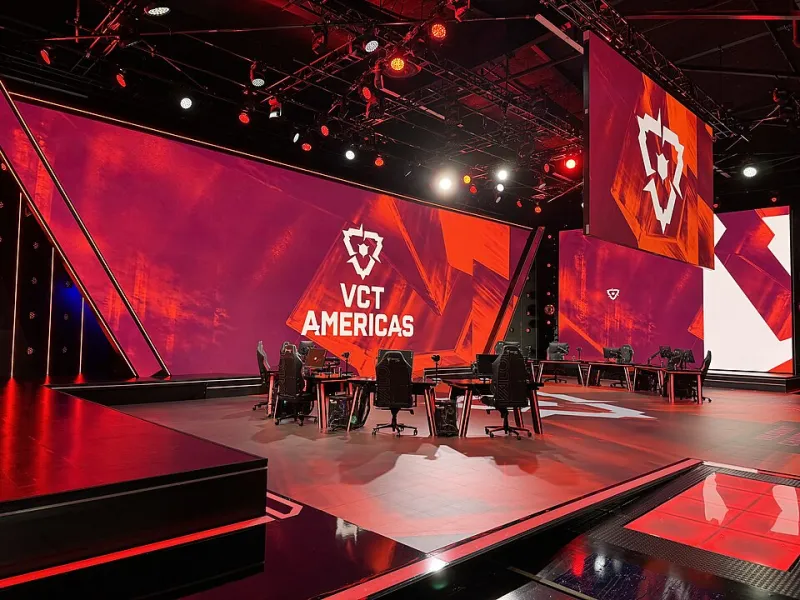
If cities and community organizers want people back in physical third places, they could do worse than studying what games figured out: give people a shared activity, keep the cost near zero, drop the dress code, and make it easy to show up alone and still belong. Board game cafés, climbing gyms, and esports lounges are already doing exactly this — and they're packed with the same people who spend their weeknights in voice chat.
The future isn't lobby versus rec center. It's both, feeding each other. The crew you queue with on Tuesday nights is a real friend group. Some of them you'll eventually meet at a LAN. That's not a lesser form of community. That's just what community looks like now.
The third place never died. It respawned.