Your GPU Isn't the Problem: The Hard Truth About Hardware Obsession in Ranked Play
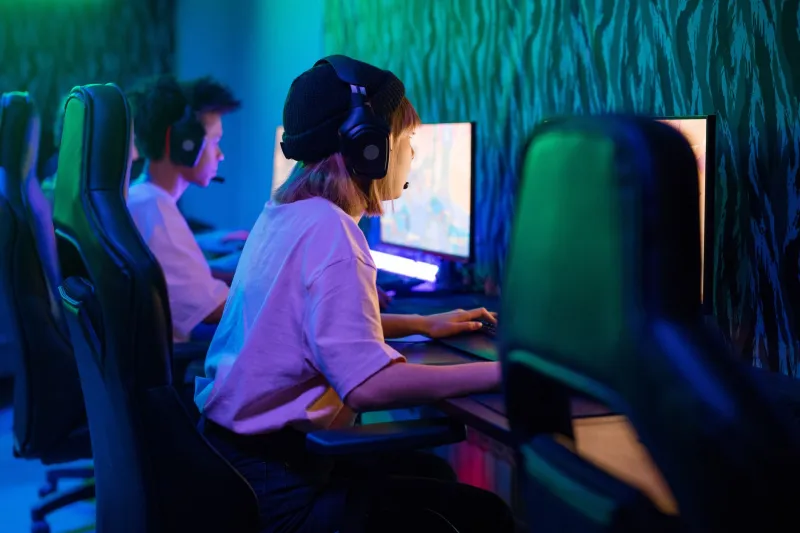
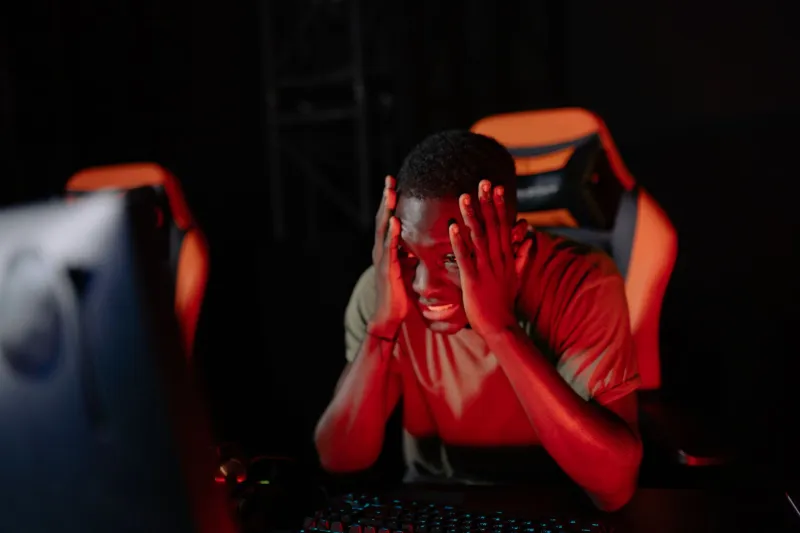
Every few months, a new wave of forum posts floods competitive gaming communities with the same basic argument: I'd be ranking up if my setup wasn't holding me back. A 144Hz monitor becomes the reason for missed shots. Input lag gets blamed for a bad positioning call. The GPU becomes a scapegoat for every loss that stings a little too much.
It's a comfortable story. And it's mostly fiction.
Let's be clear — hardware matters at the margins. But the obsession with frame rates and peripheral specs has quietly become one of the biggest mental traps in competitive gaming, and it's keeping a lot of players stuck right where they are.
The 240Hz Ceiling That Doesn't Exist
Here's the pitch you've probably heard: the human eye can perceive motion at framerates well above 60, so the higher your refresh rate, the sharper your reaction time, the smoother your tracking, the better your results. And technically? Parts of that are true.
But there's a massive gap between technically true and practically meaningful.
Studies on perception and display technology consistently show diminishing returns past the 144Hz range for most players in most competitive contexts. The jump from 60Hz to 144Hz? Noticeable and genuinely useful. The jump from 144Hz to 240Hz? Measurable in lab conditions, nearly invisible in a real ranked match where you're managing cooldowns, reading enemy positioning, and making split-second macro decisions under pressure.
The players who feel transformative improvement after upgrading to a 360Hz display are often experiencing something much more psychological than physiological. They expect to play better. So they do — briefly. Then they settle back into the same habits, the same mistakes, the same rank.
Budget Builds, Diamond Accounts
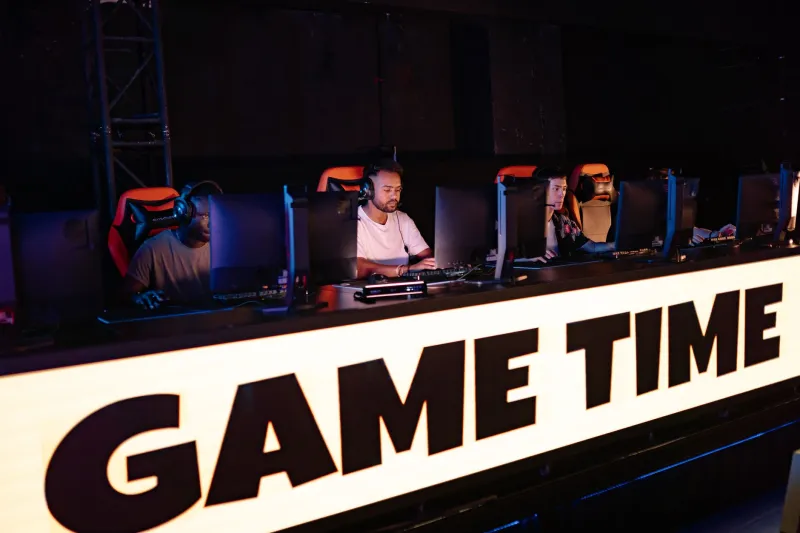
Spend any time in competitive communities and you'll find them: the players grinding ranked on mid-range rigs, hitting Diamond or Masters while other players with $3,000 setups hover in Gold. This isn't a rare exception. It's a pattern.
Take the climbing stories that regularly surface on Reddit and gaming Discord servers. A player hits Platinum in Valorant running the game on a laptop with integrated graphics, capped at around 80 frames per second. Meanwhile, their duo partner — same rank, premium setup, high-end peripherals — plateaus and can't push past the same checkpoint for an entire season.
The difference isn't hardware. It's almost never hardware past a basic competency threshold. The difference is game sense, mental discipline, and an honest relationship with your own mistakes.
Budget players often develop better fundamentals because they can't rely on mechanical advantages. They learn to position well because they can't out-aim everyone. They develop map awareness because they can't just react faster. They build habits that scale.
The Gear Comfort Trap
So why does the gear obsession persist? Because buying something new feels like progress. It's tangible. You can point to it.
When you lose a ranked match, there are two explanations available to you. The first: you made decisions that cost you the game, and you need to analyze and correct them. The second: your equipment wasn't up to the task. One of these explanations requires work and ego management. The other lets you open a browser tab and start shopping.
This is what makes hardware obsession genuinely dangerous for competitive development — it's not just a distraction, it's an active replacement for the uncomfortable process of improving. Every hour spent researching DPI settings or debating monitor response times is an hour not spent reviewing your VODs, studying map control, or practicing your weakest mechanics.
The gear upgrade provides a psychological reset, a fresh-start feeling. But your rank doesn't care about your new mouse. The lobby does not adjust to your refresh rate.
Where the Real Gains Live
If hardware isn't the lever, what is? The competitive players who consistently climb point to the same handful of fundamentals, and none of them require a hardware upgrade.
Positioning and map control are the great equalizers. A player who consistently holds angles that minimize their exposure and maximize their information advantage will outperform a mechanically gifted player who relies on reaction time to bail out of bad spots. Good positioning means fewer situations where your hardware ceiling even becomes relevant.
Game knowledge compounds over time. Understanding when an enemy team is likely to rotate, knowing which abilities have been used and which haven't, reading the economy in a tactical shooter — these decisions are worth far more than a few extra frames. They operate at a level that hardware simply can't touch.
Mental consistency under pressure is arguably the most undervalued skill in ranked play. The ability to stay process-focused after a rough stretch, to not tilt into reckless plays, to keep communicating and executing — that's a skill that separates players at every rank. No peripheral addresses it.
The Threshold That Actually Matters
None of this means you should play on a broken setup. There's a genuine baseline worth meeting: a stable internet connection, a monitor that can handle 60Hz without ghosting, a mouse that tracks accurately. If your hardware is actively broken or severely below that threshold, yes, fix it.
But once you're past that floor? The returns on gear investment drop sharply while the returns on skill investment stay high. The player who spends $200 on a coaching session or invests 20 hours into deliberate practice will see more rank movement than the player who spends $400 upgrading from a 144Hz monitor to a 240Hz one.
At GA88 Arena, we've seen this play out in tournament brackets, community ladders, and casual competitive queues. The players who rise aren't always the ones with the most impressive setups. They're the ones who stopped blaming their equipment and started doing the actual work.
Stop Shopping, Start Playing
The next time you feel that itch to upgrade something before your next ranked session, pause and ask an honest question: is your hardware genuinely limiting you, or is it just easier to blame than your decision-making?
For most players at most ranks, it's the second one. The ranked climb you're chasing is sitting in your replay folder, waiting for you to actually watch it. It's in the rotations you haven't studied and the positioning habits you haven't broken yet.
Your GPU isn't the problem. And the sooner you make peace with that, the sooner you start moving up.