Pressure Points: How to Spot When Your Opponent Is Breaking and Finish the Job
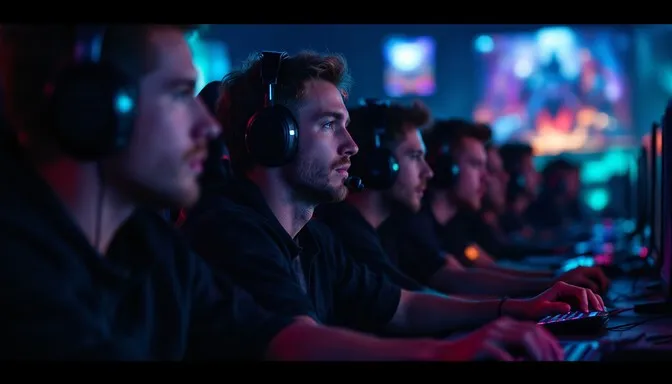
Photo: competitive gamer focused intense expression esports tournament, via images.stockcake.com
Every competitive gamer has been on the wrong end of a snowball. You're down two rounds, your mechanics feel fine, but something has shifted—you're rushing decisions, second-guessing callouts, playing scared. You're tilted, and your opponent probably knows it before you do.
Now flip that around. The players who consistently win close matches aren't always the fastest or the most mechanically polished. They're the ones who can read what's happening on the other side of the screen and adjust their approach in real time. That's a skill. And like any skill, it can be learned.
This isn't about being a bad sport or playing dirty. This is about understanding the human element of competition—because at every level of play, from ranked grind to tournament brackets, the mental game is just as decisive as the mechanical one.
What Tilt Actually Looks Like in Practice
Tilt gets talked about a lot in gaming communities, but it's usually discussed from the inside—how you feel when you're losing your composure. Fewer people talk about how to recognize it in someone else.
The behavioral signs are more consistent than you'd think. An opponent who was playing patient and methodical starts rushing aggression at weird times. A player who had clean, predictable movement starts doing erratic, low-percentage plays. Someone who was trading efficiently suddenly starts overcommitting to duels they shouldn't be taking.
In fighting games, you see it in the button mashing—strings that made sense three rounds ago getting replaced by desperate, reactable moves. In shooters, it shows up as peeking angles that don't make strategic sense, over-rotating, or force-buying when the economy doesn't support it. In MOBAs, tilted players start split-pushing aimlessly, taking bad fights, or abandoning team coordination entirely.
The through-line is impatience. Tilt compresses decision-making. Players stop trusting their process and start gambling for the big play that gets them back in the game fast. Once you know what you're looking for, it becomes surprisingly readable.
Adjusting Your Playstyle to Match Their Mental State
Here's where the real tactical layer kicks in. Once you've identified that your opponent is mentally cracking, the worst thing you can do is keep playing the same way. You need to shift gears deliberately.
Slow everything down. When someone is tilted, they want the game to move fast—quick mistakes, quick resets, quick chances to claw back. Denying them that rhythm is its own form of pressure. If you're in a position of control, don't rush to close it out recklessly. Make them sit in the discomfort of being behind.
Take away their comfort picks and patterns. If you've noticed an opponent defaulting to a specific strategy when they're stressed—a particular character, a specific map zone, a predictable rotation—shut it down. Force them into unfamiliar territory when their mental bandwidth is already taxed. Stressed players make worse decisions when they can't lean on muscle memory.
Apply pressure in unexpected places. A tilted player is already anticipating where they think the threat is coming from. Hitting a different angle—or doing something slightly off-script from your own tendencies—forces them to process new information at the exact moment they have the least capacity to do it well.
This isn't gamesmanship in a shady sense. This is adapting your strategy based on live reads. The best coaches in traditional sports call it situational awareness. In competitive gaming, it's just good play.
The Mind Game Layer: Using Presence as a Tool
Beyond pure mechanics and strategy, there's a subtler layer of psychological pressure that elite competitors use constantly—and most casual players never think about.
Pacing is one of the biggest. In games where you control the tempo (think turn-based systems, draft phases, or even pre-round buy phases in tactical shooters), taking your time when you have an advantage communicates confidence. It signals that you're not rattled, that you're in control, that there's no urgency on your end. That signal lands on the other side, whether consciously or not.
Consistency of execution matters just as much. When you're playing from a position of advantage, clean, methodical play feels suffocating to someone who's already tilting. Every mistake they make gets magnified when you're not making any. You don't need to trash talk. You don't need to emote. You just need to keep executing, because competence under pressure is its own form of psychological warfare.
In games with communication—team shooters, voice-commed MOBAs, online card games with chat—staying calm and even-toned while your opponent is clearly agitated is a massive edge. Don't match their energy. Let them escalate while you stay level. That gap in composure becomes part of your advantage.
The Line You Don't Cross
All of that said, there's a distinction worth drawing clearly: exploiting tilt through smart play is legitimate competition. Deliberately creating toxic conditions to cause tilt—slurs, harassment, intentional griefing—is just bad sportsmanship, full stop. And beyond being the wrong thing to do, it often backfires. Extreme provocation can snap a tilted opponent out of their spiral and give them something to channel their frustration toward: beating you.
The cleanest version of this skill is entirely self-contained. You're not doing anything to destabilize your opponent—you're simply recognizing when they've destabilized themselves and responding accordingly. That's not manipulation. That's reading the game.
Building This Skill Into Your Practice
Most players don't actively train opponent-reading because it's harder to measure than KDA or win rate. But you can build it deliberately.
Start by reviewing your own VODs and actively looking for moments where you tilted. What triggered it? What did your play look like before and after? Now apply that lens to your opponents in future sessions. Watch for the same behavioral shifts.
Play some sessions where your explicit goal isn't to win—it's to accurately predict what your opponent does next based on their mental state. You'll be surprised how often the read is right once you're actively looking.
Over time, this turns into a real-time skill that runs in the background of every match. You stop playing against a character or a username and start playing against a person—with all the psychological texture that brings.
The Competitive Edge That Doesn't Require Better Hardware
Mechanical ceilings are real. At some point, your reaction time is your reaction time. But your ability to read opponents, manage tempo, and capitalize on mental openings? That has no ceiling. That's a skill that compounds across every game you play, every tournament you enter, every ranked session you grind through.
The players who last longest in competitive gaming—and who consistently outperform their mechanical rating—are almost always the ones who figured out that the game happening on screen is only half the battle. The other half is happening between the ears.
Learn to play both games at once, and you'll be a lot harder to beat.