From Random Queue to Real Roster: How to Build Your Gaming Crew in 2024

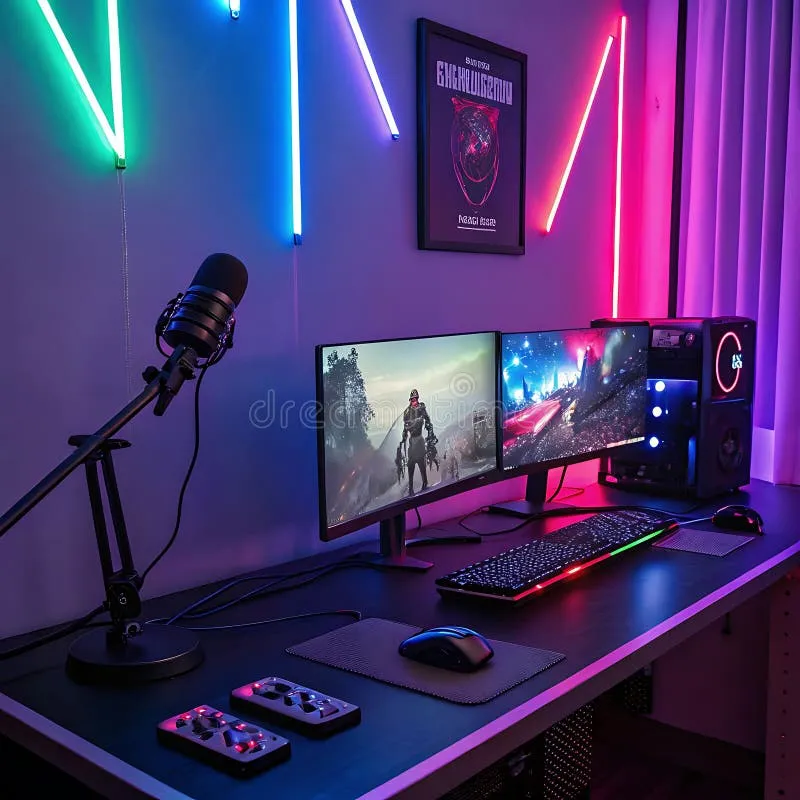
Photo: Evgeny2665, CC0, via Wikimedia Commons
There's a specific kind of frustration that every solo queue veteran knows by heart. You play a near-perfect game. Your positioning is clean, your callouts are sharp, and then—because your randomly assigned support decided to go full aggressive at the worst possible moment—you lose a match that felt completely winnable. Again.
Solo queue isn't going anywhere, and honestly, it's still one of the best training grounds in competitive gaming. But there comes a point for a lot of players where the randomness stops feeling like a challenge and starts feeling like a ceiling. That's usually the moment someone starts thinking seriously about finding a real squad.
Building a genuine competitive team in 2024 is easier than ever in some ways—and harder in others. Here's how to do it right.
Step 1: Get Clear on What You Actually Want
Before you post a single LFG (Looking for Group) message, get brutally honest with yourself about what kind of team you're trying to build. This step sounds obvious, but skipping it is the number one reason squads fall apart within the first two weeks.
Ask yourself:
- Are you looking for a group to push ranked together casually, or are you trying to compete in organized tournaments?
- How many hours a week are you realistically available to practice?
- Do you want structured scrimmages with VOD reviews, or something more laid-back with consistent teammates?
The answers to those questions determine everything about where you look, who you approach, and what expectations you set upfront. A player who wants to compete in collegiate circuits and a player who wants a consistent four-stack for weekend ranked sessions are both valid—they just shouldn't be on the same roster.
Step 2: Where to Actually Find Players
The good news is that the ecosystem for finding teammates has genuinely matured. Gone are the days of posting in a game's subreddit and hoping for the best (though that still works, honestly). Here's where to focus your energy in 2024:
Discord servers. Game-specific Discord communities remain one of the best places to find serious players. Most major titles have official servers with dedicated LFG channels. Beyond the official ones, look for regional servers, rank-specific servers, and communities organized around playstyle or coaching culture. The quality of players in a Discord often reflects the quality of the server's moderation—if the server is well-run, the players tend to be more serious.
LFG platforms. Tools like Blitz.gg's team finder, Riot's own party finder for Valorant, and dedicated platforms like GamerLink or Joinmy.team are built specifically for this. Filter by rank, role, region, and availability to narrow the pool before you ever send a message.
Streaming and content. If you stream at all, even casually, your viewer base is a self-selecting pool of people who already like how you play. Some of the strongest squads form between streamers and viewers who've watched each other's games enough to understand playstyles before ever queueing together.
In-game connections. Don't overlook the obvious: that player who carried your last match and communicated well throughout is a warm lead. Friend them. Play a few more games. See if the vibe holds.
Step 3: Vetting Teammates Before You Commit
Finding players is step one. Figuring out who's actually worth building with is step two, and it requires more than looking at someone's rank.
Play at least three to five sessions before making anything official. One great game is a sample size of one. You need to see how someone communicates under pressure, how they handle a loss, and whether their availability actually matches what they told you.
Watch for these red flags early:
- Blaming teammates exclusively after every loss, never acknowledging personal mistakes
- Inconsistent availability despite claiming to be "super committed"
- Unwillingness to try new strategies or adapt their playstyle for team cohesion
- Going quiet or logging off immediately after a bad game without any communication
- Treating practice sessions like ranked solo queue—playing for personal stats instead of team outcomes
None of these are necessarily dealbreakers in isolation, but patterns matter. A player who goes quiet after one rough night is human. A player who disappears after every rough night is a roster liability.
Green flags to look for:
- Asks questions about strategy and team goals, not just their own performance
- Communicates calmly under pressure—not silent, not tilted
- Shows up consistently, even to sessions where nothing competitive is on the line
- Gives and receives feedback without getting defensive
Step 4: Communication Frameworks That Actually Work
This is the part most new squads skip entirely, and it's usually why they fall apart. Chemistry doesn't just happen—it's built through consistent, structured communication.
A few frameworks worth implementing:
Post-session check-ins. After every practice session, spend ten minutes as a group answering two questions: What did we do well, and what's one thing we want to improve next time? Keep it short, keep it specific. This builds a habit of constructive communication without turning every session into a two-hour therapy session.
Role clarity. Know who is calling shots during a match and respect that structure even when you disagree in the moment. Debate strategy before the match and after the match—not during it. Mid-game callout chaos is one of the most common performance killers in new squads.
Conflict resolution norms. Agree early on how you'll handle disagreements. A simple rule like "no roster or strategy debates in the two hours after a tough loss" sounds almost too simple, but it prevents a lot of unnecessary drama.
Step 5: Chemistry Is a Performance Variable
Here's something the stats don't always show but coaches will tell you directly: roster chemistry has a measurable impact on performance. Teams that communicate comfortably, trust each other's decisions, and genuinely enjoy playing together are more resilient under pressure. They recover faster from deficits. They execute more consistently.
Chemistry isn't just vibes—it's a competitive advantage. And it's built through time, repetition, and the willingness to be honest with people you actually care about playing with.
Building a squad from scratch takes patience. You'll probably go through a few trial-and-error lineups before something clicks. That's normal. The players who eventually land on a roster they love are almost always the ones who were honest about what they wanted, selective about who they brought in, and consistent about showing up even when the team was still figuring itself out.
Solo queue built your skills. Your squad is where you put them to work.
Game on.