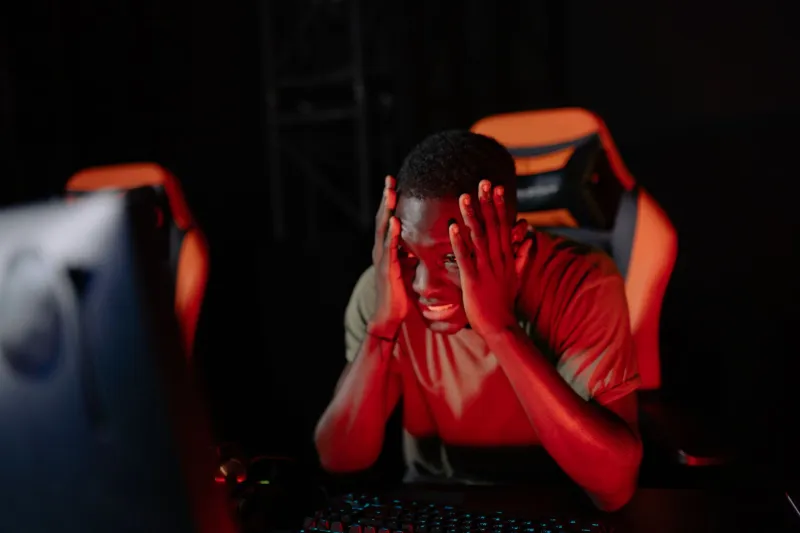
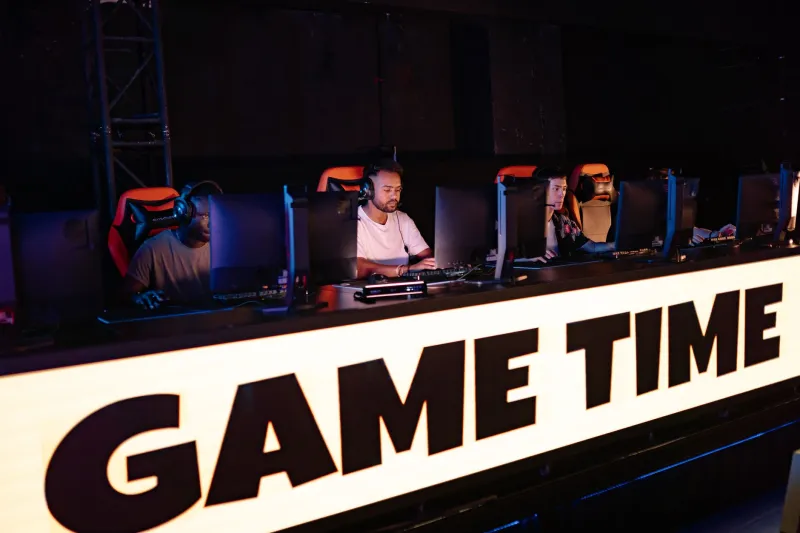
Rank Down to Level Up: What Watching Bad Players Can Teach You About Winning
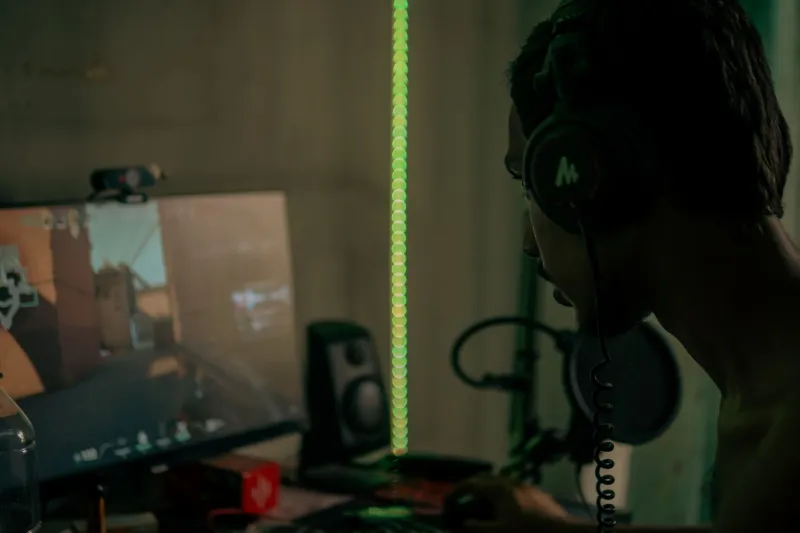
Here's a take that'll probably get some pushback in the GA88 Arena community: stop watching Challenger replays for a minute and pull up a Bronze lobby instead.
Seriously.
The conventional wisdom says you should always be studying the best — top streamers, tournament VODs, pro-level breakdowns. And look, that advice isn't wrong. But it's also not the whole picture. There's a massive, largely untapped training resource hiding in low-rank gameplay, and most competitive players scroll right past it because they assume there's nothing to learn from someone who can't hit a skillshot or rotate properly.
That assumption might be costing you games.
The Mistake Most Players Make When Studying the Game
When you watch a pro player, you're seeing the end result of thousands of hours of refinement. Every decision is compressed, instinctive, and often invisible to the untrained eye. You can rewatch the same clip ten times and still not fully understand why they made that call, because the reasoning is buried under layers of experience that don't translate cleanly to a viewer who hasn't already built that foundation.
Low-rank gameplay operates differently. Mistakes aren't subtle. They're loud, obvious, and — crucially — repeating. A Bronze player overextending past the river isn't making a complex calculated gamble. They're making a fundamental positioning error that shows up in their games over and over again. And that repetition is exactly what makes it valuable.
When you watch someone make the same mistake five times in a single session, your brain starts cataloging it automatically. You start to see the setup before it happens. That's pattern recognition, and it's one of the most transferable skills in competitive gaming.
Pattern Recognition Doesn't Care About Rank
Here's the thing about human error in games: it doesn't disappear as players climb the ladder. It evolves. The Bronze player who runs into a 1v3 because they don't respect the minimap becomes the Platinum player who takes a bad duel because they're overconfident in their mechanics. The core flaw — poor threat assessment — is the same. The expression just changes.
When you train yourself to identify the root cause of a mistake at its most obvious level, you build the mental vocabulary to recognize it in more disguised forms later. Watching a low-rank player telegraphing their aggression with zero subtlety teaches you what uncontrolled aggression feels like as a pattern. That feeling becomes a read. And reads win games.
This is actually a concept that coaches in traditional sports have used forever. Analysts study film from all levels of competition — not just the championship games — because fundamentals show up cleanest when players aren't good enough to mask them yet.
The Psychology Behind Learning From Failure
There's also a psychological angle worth talking about. Watching elite players can be genuinely discouraging. The mechanical gap between a Diamond player and a Challenger one-trick can feel insurmountable, especially if you're stuck in the middle tiers grinding out games that don't seem to go anywhere.
Watching lower-rank gameplay flips that dynamic. Instead of being the student in the room, you're suddenly the analyst. You start seeing the game through a more detached, critical lens — and that perspective is really hard to access when you're the one in the lobby feeling the pressure.
Psychologists call this the "observer effect" in learning: when you evaluate someone else's decisions rather than your own, you naturally apply more objective reasoning. You're not emotionally invested in the outcome. You're just watching, thinking, and processing. That cognitive distance is valuable, and it's something most players never give themselves access to because they're always either playing or watching people better than them.
How to Actually Do This (Without Wasting Time)
Okay, so how do you make this practical? A few approaches that actually work:
Watch with a purpose. Don't just put on a random low-rank stream for background noise. Pick one specific thing to track — positioning, resource management, cooldown usage, communication timing. Single-variable analysis is what separates productive study from entertainment.
Pause and predict. Before a low-rank player makes a move, pause the VOD and call what you think they're about to do wrong. Then watch. If you're right, ask yourself how early you spotted the setup. If you're wrong, ask yourself what you missed. This active engagement is what builds real reads.
Map mistakes to your own rank. After you've identified a pattern in lower-rank gameplay, immediately ask: does this show up in my games? How? What does the evolved version of this mistake look like when players are better at hiding it? This is where the real transfer happens.
Mix it into your regular study rotation. You don't have to abandon pro VODs entirely. A balanced study diet — some top-tier content for inspiration and system understanding, some lower-rank content for foundational pattern work — is probably the most effective approach.
The Competitive Edge Nobody's Talking About
The players who dominate in ranked environments tend to share one trait: they understand why things happen, not just what happened. That causal understanding is what lets them anticipate, adapt, and punish in real time. And that understanding often comes from watching games where the causes aren't hidden — where the mistakes are right there on the surface, unpolished and unfiltered.
At GA88 Arena, we're all about finding the edges that other players overlook. And this one is sitting in plain sight. The low-rank lobbies and beginner-tier streams that most competitive players dismiss? They're basically a masterclass in game fundamentals — taught by example, repeated constantly, and completely free.
You just have to be willing to actually learn from them instead of laughing at them.
The spectator meta is real. Use it.